The Sovereign Individual: Thiel, Argentina, and the Network State
Thiel’s passport-collecting spree reflects his apocalyptic psyche. But it connects directly to his politics, which see technology as an “incredible alternative to politics.”

And the Lord said unto Satan, “Whence comest thou?”
Then Satan answered the Lord, and said, “From going to and fro in the earth, and from walking up and down in it.”
—The Book of Job
In late April, I wrote about Peter Thiel’s decision to temporarily move to Argentina with his family. It seemed like an odd development, since Thiel’s allies and ideas form a core part of the Trump regime.
At the height of his power and influence, with his companies raking in multibillion-dollar contracts, why would the PayPal and Palantir billionaire “decamp” to South America?
Last week, the New York Times followed up on Thiel’s move:
Mr. Thiel, who has a history of collecting backup countries as he hedges his bets against the United States, is considering making Argentina another Plan B, according to two people familiar with his thinking. Born in Germany and raised in the United States, he received citizenship in New Zealand in 2011, and applied for a passport in Malta in 2022.
His new roots in Argentina are partly motivated by his concerns about the direction of the United States, the people familiar with his thinking say, particularly California, where an initiative on November’s ballot could lead to a significant tax on billionaires.
Argentina, a nation relatively insulated from potential conflicts in the Northern Hemisphere, also fits as a potential escape hatch from other risks that Mr. Thiel has publicly warned about — nuclear war and runaway artificial intelligence.
The NYT piece spurred a new round of interest in Thiel’s globetrotting from people who had apparently missed the New York Post’s exclusive story on April 24. As with the NYT story, the Post story pointed out that Thiel’s purchase of a $12 million mansion in Buenos Aires is part of a “meticulously constructed global hedge,” noting that “Thiel has spent years assembling a portfolio of residences, passports, and legal presences across multiple continents.”
Neither story mentioned Thiel’s decades-long fascination with The Sovereign Individual: How to Survive and Thrive During the Collapse of the Welfare State. The 1997 book urges wealthy individuals—so-called “Sovereign Individuals”—to seek escape routes from democratic nation-states, obtain multiple passports, and acquire personal security services as the world devolves into chaos.
From The Sovereign Individual:
This will mean intensified shopping among jurisdictions for protection services, passport and consular services, and the provision of justice.
In the long run, of course, Sovereign Individuals will probably be able to travel on nongovernmental documents, issued like letters of credit by private agencies and affinity groups. It is not farfetched to suppose that a group will emerge as a kind of merchant republic of cyberspace, organized like the medieval Hanseatic League, to facilitate negotiation of private treaties and contracts among jurisdictions as well as to provide protection for its members. Imagine a special passport issued by the League of Sovereign Individuals, identifying the holder as a person under the protection of the league.
This “merchant republic of cyberspace” is essentially the goal of the Network State movement, which was founded by Thiel protégé Balaji Srinivasan (to whom Thiel recommended the book). Srinivasan calls The Sovereign Individual “the most prescient thing in the world.” The book’s main thesis—that “cyber currency” (crypto) and advanced automation (AI) will crumble the world order in the 21st century—is catnip to the cult of radical venture capitalists who have sprung up around Thiel. (Well-read people understand that The Sovereign Individual took many of its ideas from science fiction and earlier tech movements.)
Until the nation-state system falls to the supposed tech apocalypse and the Network State emerges as a world power, however, these roaming oligarchs will need temporary hiding places. As I mentioned in my April piece, The Sovereign Individual specifically listed Argentina and New Zealand as choice locations for bunker-mentality billionaires. Thiel obtained New Zealand citizenship in 2011, and the NYT reports that he is exploring the possibility of an Argentine passport as well.
Thiel’s passport-collecting spree reflects his apocalyptic psyche. But it connects directly to Thiel’s political project, which sees technology as an “incredible alternative to politics” (as Thiel put it in a 2010 speech). This means technology—or the vast sums of money amassed by tech barons—will allow them to escape democracy.
How? Either by destroying democratic governments (as we are seeing in the United States), by creating new democracy-free territories (proposed tech utopias in Gaza or Greenland), or by taking over countries where democracy is weak and vulnerable (El Salvador and Honduras). Proponents of the Network State have also proposed building settlements in Cuba and Venezuela, both countries Trump has targeted with military aggression.
Argentina is a friendly locale for Thiel because the country’s current president, Javier Milei, is a chainsaw-waving anarcho-capitalist zealot who largely shares his crypto-inflected politics. But it’s not clear how long Milei will stay in power. Argentina remains a democracy and Milei’s poll numbers have fallen dramatically (crypto anarcho-capitalist fantasy works better in the billionaire imagination than in reality).
Tech billionaires have set their sights on Latin America, where they see weaker governments that are easier to buy. But Latin American countries have also resisted and overthrown many bloody right-wing dictatorships. The people of Latin America know a thing or two about resisting imperial aggression from norteamericano capitalists with colonial aspirations.
So, don’t expect Thiel to find happiness in Argentina, but do expect his global search to continue. More important than any particular location is the paranoid fantasy underlying it—the dream of a collapsing world order in which savvy billionaires may convert distressed countries into techno-fascist fiefdoms. That is the vision Thiel has pursued for decades, and he is not alone in his billionaire escape anxiety.
Business Insider reports that Thiel’s Argentina move “fits a larger pattern” in which “the rich are treating their lives in America like part of an investment portfolio: still worth betting on, but increasingly in need of a hedge.”
“There's a clear trend toward sovereign diversification,” Charlie Garcia, founder of centimillionaire membership club R360, said, including “multiple passports, multiple tax regimes, and at least one 'Plan B' jurisdiction in the Southern Hemisphere.”
Anyone wishing to understand the full scope of this deranged trend should add The Sovereign Individual to their summer reading list.
I recommend the 2020 reissue version—with a foreword by Thiel.
(The first chapter of my forthcoming book is titled “The Sovereign Individual: Peter Thiel and the Politics of Apocalypse.” Click here to pre-order it. Every purchase supports this newsletter AND independent bookstores!)
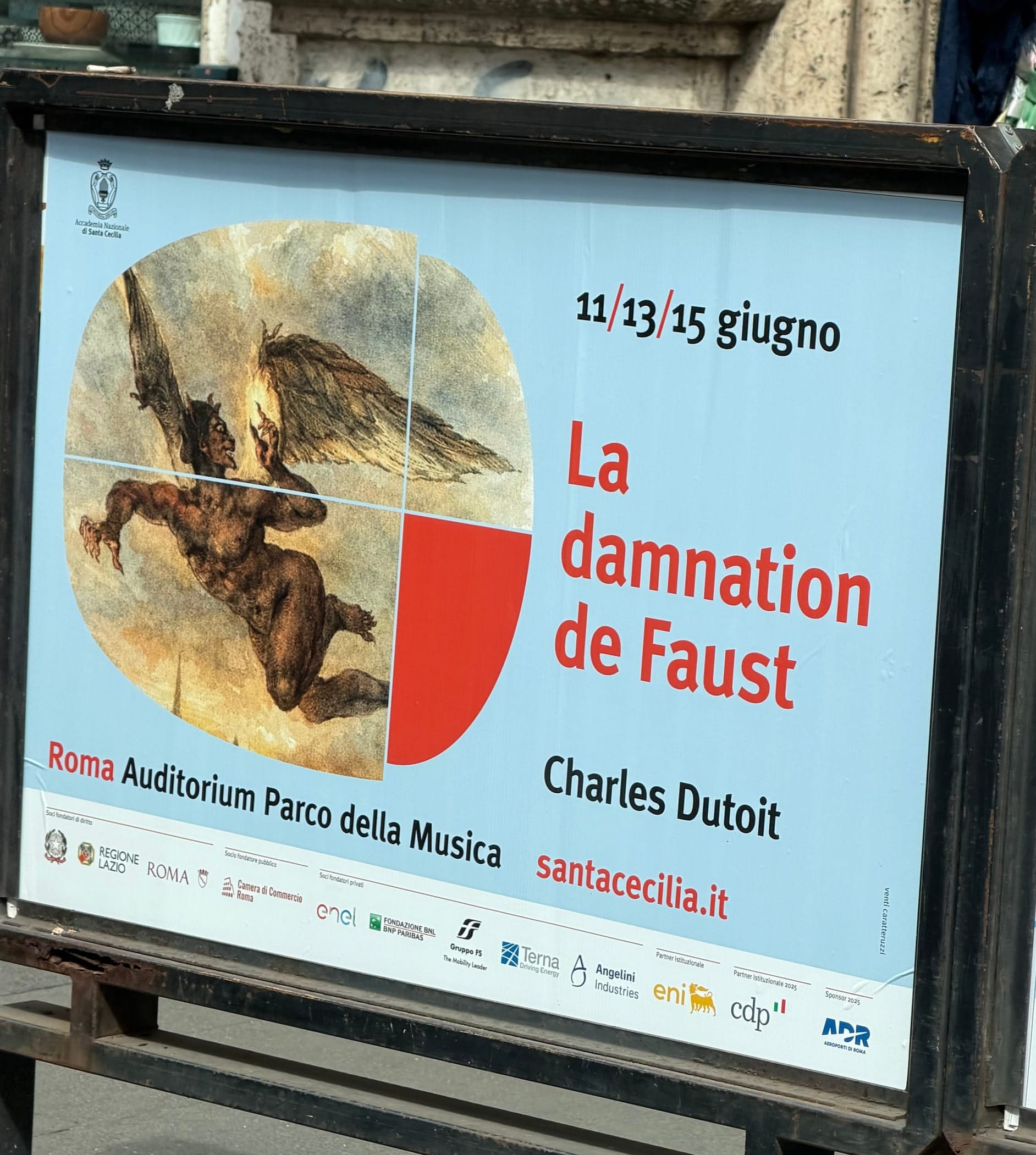
Tech Apocalypse in Rome
I just returned from Rome, where I participated in a small conference on the subject of “Tech Apocalypse.” I am working my notes into a short essay that I will share with our paid subscribers. They pay the bills and keep this newsletter afloat! Join them today!
If you want to know how Thiel’s Antichrist obsession connects to the Network State, and why tech fascism is indeed fascism, stay tuned.